
Jane Austen’s Literary Tour of Bath

Written by Niamh Martin
Want to stay in the city where Jane Austen lived and from where she drew inspiration for all six of her novels?
Book a Jane Austen Literary Tour of Bath here
Table of Contents
Jane Austen’s Literary Tour of Bath
Where Jane Austen Lived in Bath
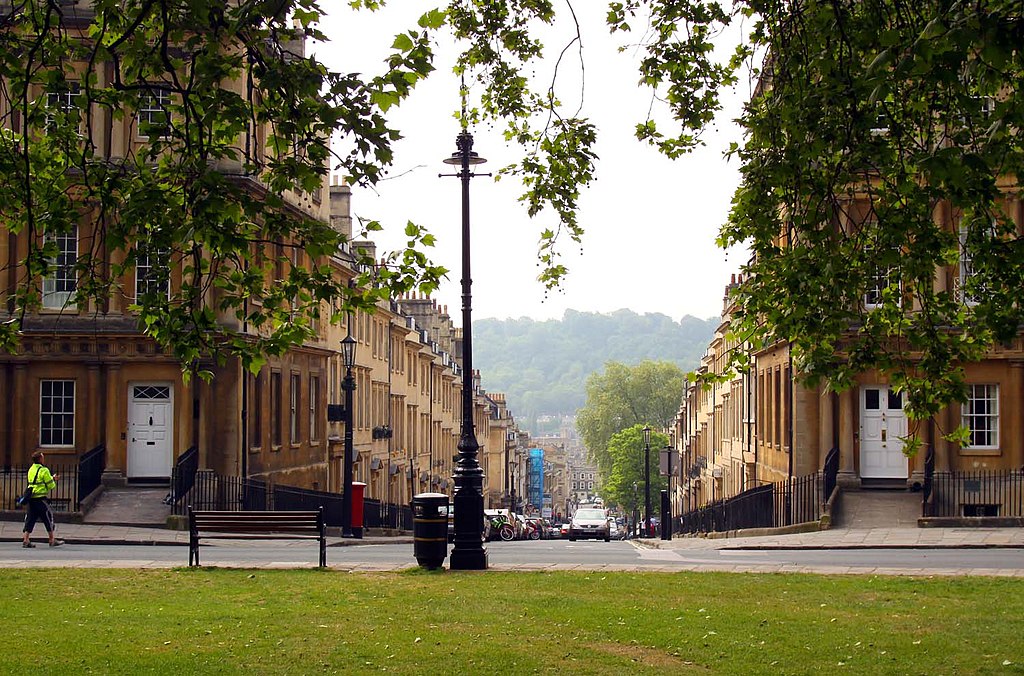
4 Sydney Place – Following her father’s retirement in 1801, the Austen family, including Jane, her mother, and sister Cassandra, moved from Steventon in Hampshire, where Jane had spent the first 25 years of her life, to Bath in Somerset. The family lived at this address until the lease expired in 1804.
Green Park Buildings – The Austen family then moved to lodgings at Green Park in 1804. However, following the untimely death of Jane’s father, Rev. George Austen, just a few months later in 1805, Jane, her mother, and her sister moved to the first floor of 25 Gay Street with a lodger. This was the beginning of a very turbulent period in Jane’s life, as the family’s fortunes began to fade.
25 Gay Street – Gay Street was home to Jane Austen for just a few months. This house is now a dental surgery and can be found up the hill, on the same side of the road as the Jane Austen Centre, and from the outside, looks almost as it did in Austen’s day.
Trim Street – Jane moved to, what was considered, a less agreeable address with her sister and mother, before leaving Bath in 1806.
13 Queen Square – Jane visited Bath with her mother and sister-in-law in 1797 and 1799, and stayed at this address while her brother “took the waters” for his health. This house is now a solicitor’s office.
No. 1 The Paragon – Jane occasionally stayed at the home of her aunt and uncle, the Leigh-Perrots.
Subsequent Moves: After leaving Bath, Mrs. Austen and her daughters moved to Southampton and then to Chawton in 1809.
Other Jane Austen Literary Places of Interest
St Swithin’s Church – Jane’s parents, Rev. George Austen and Cassandra Leigh were married here in 1764.
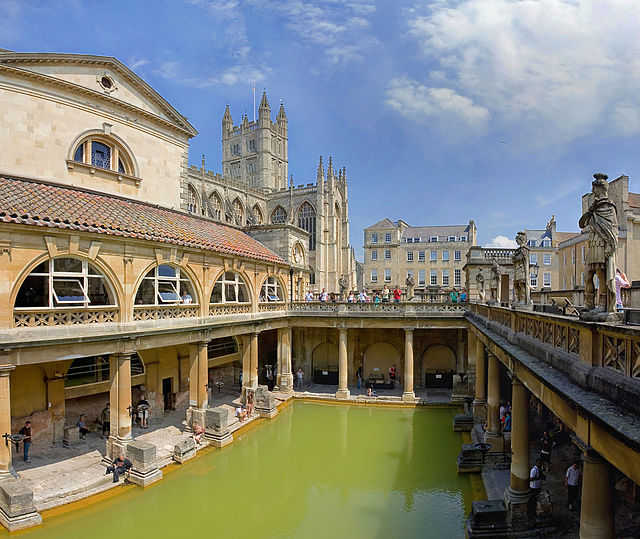
All of Jane Austen’s six novels mention Bath, while two of them (Persuasion and Northanger Abbey) are partly based in the city. There are therefore a number of places dotted around Bath, which will have an air of familiarity about them, reminding us of her characters that have, at various times, sought love, to take the waters, or revel in its renowned social activities.
Milsom Street – Now a shopping area, Admiral Croft in Persuasion scoffed at a painting of a ship in a printshop window – “What queer fellows your painters must be, to think that anybody would venture their lives in such a shapeless old cockle-shell”.
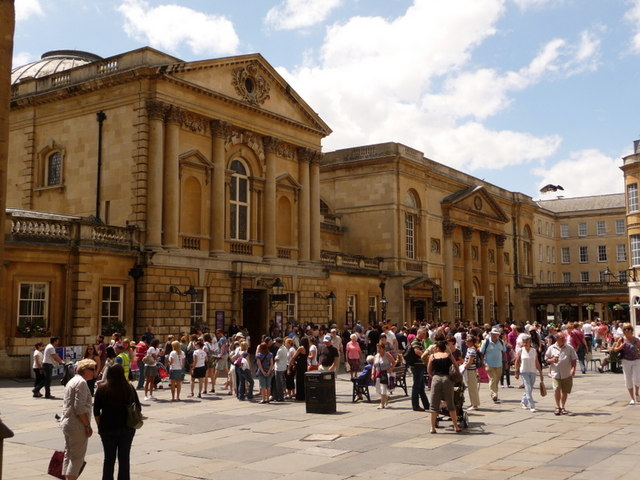
The Upper Rooms – Located in Bennett Street, these 18th century assembly rooms are where Catherine Morland (Northanger Abbey) first attended a ball. The interior is still as it used to be, with a Ball Room, Card Room and Tea Room all leading from the Great Octagon.
Gay Street – Jane Austen looked back at her time in Gay Street with such fond memories that she even housed the Crofts on this street in her second Bath novel, Persuasion.
Gravel Walk and Union Street – where lovers Anne Elliot and Captain Wentworth rekindle their romance (Persuasion)
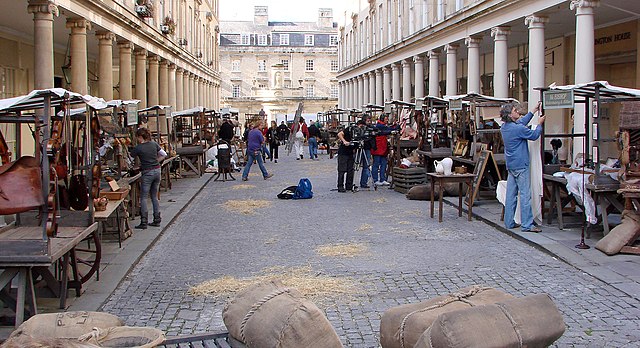
Royal Crescent – used as a filming location for the 2022 adaptation of Persuasion. To get a better understanding of what Jane’s time living in a Georgian townhouse was like, the museum at No. 1 Royal Crescent provides an authentic experience. Alternatively, a visit to the Jane Austen Centre on Gay Street, just a few doors down from where Jane lived, provides a more virtual experience, with actors playing Jane’s characters, dressed in period costumes to give you a flavour of what Regency Bath would have looked like.
Who was Jane Austen?
Early Life
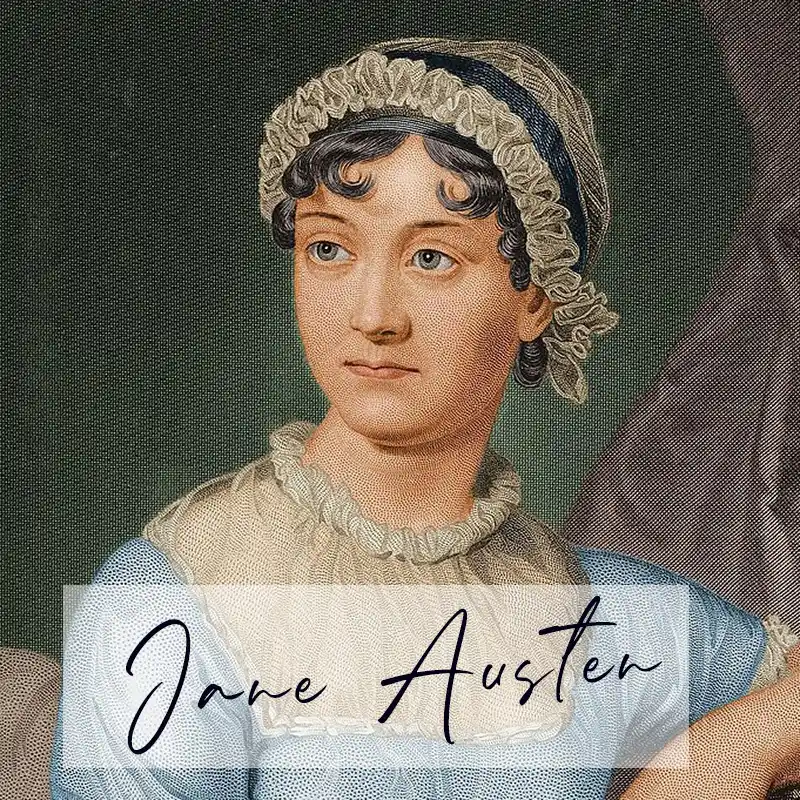
Jane Austen was born on 16 December, 1775 in the Hampshire village of Steventon, where her father, the Reverend George Austen, was rector. She was the second daughter and seventh child in a family of eight (six boys and two girls). Her closest companion throughout her life was her elder sister, Cassandra. Neither Jane nor Cassandra married.
Their father was a scholar who encouraged the love of learning in his children. His wife, Cassandra, was a woman of ready wit, famed for her spontaneous verses and stories. Jane’s childhood and early adult life in Steventon was considered stable and conducive to her growth as a novelist. However, the security of the home environment at the Steventon vicarage ended in 1801, when George Austen, then age 70, retired to Bath with his wife and daughters. Life became even more uncertain and unstable for Jane, when in 1805, her father died suddenly and, for the next eight years, Jane endured a succession of temporary lodgings or visits to relatives, in Bath, London, Warwickshire and finally, Southampton.
Career
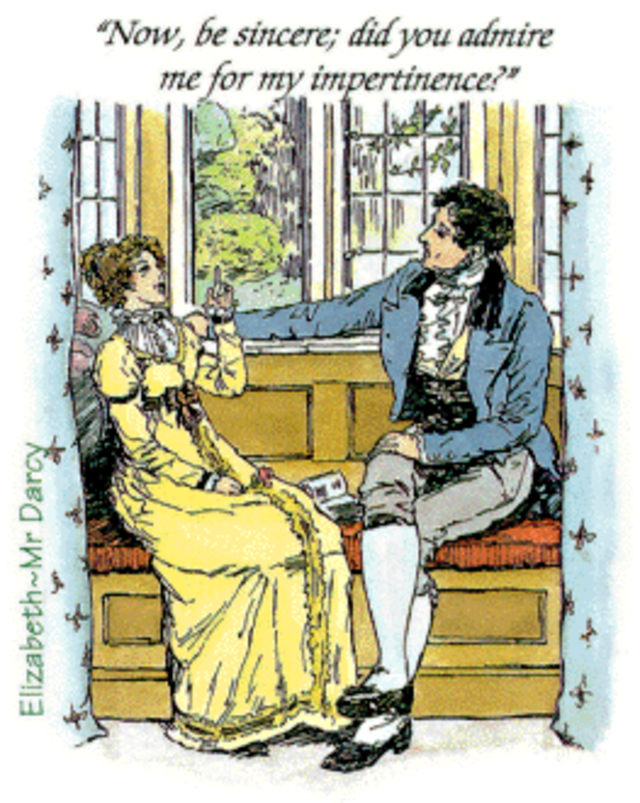
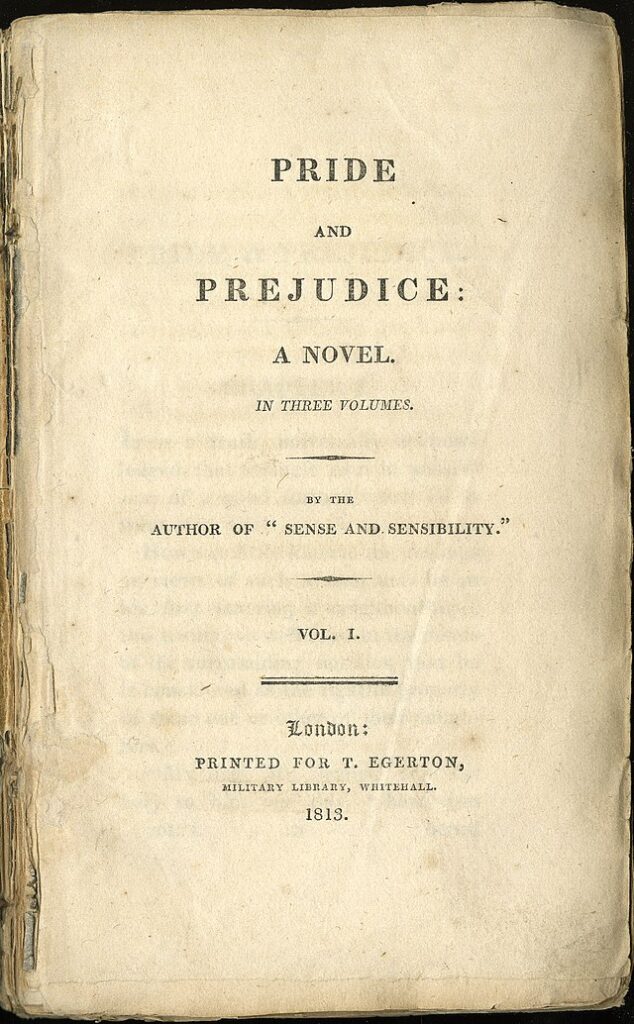
Early Beginnings
Jane Austen’s writing career began in her youth, with her earliest known works dating back to her teenage years. Between 1787 and 1793, she wrote a series of juvenilia – short pieces, parodies, and satirical works that demonstrated her early wit and narrative skill. These early writings, including “Love and Freindship” [sic] and “The History of England,” were primarily written for the entertainment of her family and showcased her sharp, comedic style.
First Novels and Publication
In the early 1790s, Austen began drafting her first full-length novels. “Sense and Sensibility,” originally titled “Elinor and Marianne,” was initially written as an epistolary novel (composed of letters). Similarly, “Pride and Prejudice” began as an early version called “First Impressions” around 1796. However, these works would undergo significant revisions before publication.
Professional Publication
Austen’s first professionally published novel was “Sense and Sensibility” in 1811, published at her own expense “by a Lady” to maintain anonymity. This was followed by “Pride and Prejudice” in 1813, which became immensely popular and is now considered her most famous work. “Mansfield Park” was published in 1814, and “Emma” followed in 1815.
Later Works and Challenges
Her final two novels, “Northanger Abbey” and “Persuasion,” were published posthumously in 1817, the year of her death. These works continued to explore her signature themes of social commentary, marriage, and women’s limited opportunities in early 19th-century England.
Writing Style and Themes
Jane Austen was renowned for her:
- Precise and witty prose
- Keen social observations
- Exploration of women’s social and economic constraints
- Satirical approach to the romantic novels of her time
- Complex characters with psychological depth
Publication Context
During her lifetime, Austen published her novels anonymously, with her first works simply crediting her as “By a Lady.” It wasn’t until after her death that her brother Henry revealed her identity as the author of these celebrated works.
Critical and Commercial Reception
While moderately successful during her lifetime, Austen’s true literary reputation was established in the decades following her death. Today, she is considered one of the most important novelists in English literature, celebrated for her social critique, complex characters, and elegant prose.
Legacy
Jane Austen’s six major novels have never been out of print, and she continues to be one of the most read and beloved authors in English literature. Her work has inspired countless adaptations, academic studies, and a dedicated global fanbase.
Her novels have been adapted in numerous films including Sense and Sensibility (1995), Pride and Prejudice (2005), Emma (2020), and an adaptation of Lady Susan, Love and Friendship (2016), as well as the BBC film Persuasion (1995), and BBC miniseries Pride and Prejudice (1995).
Death
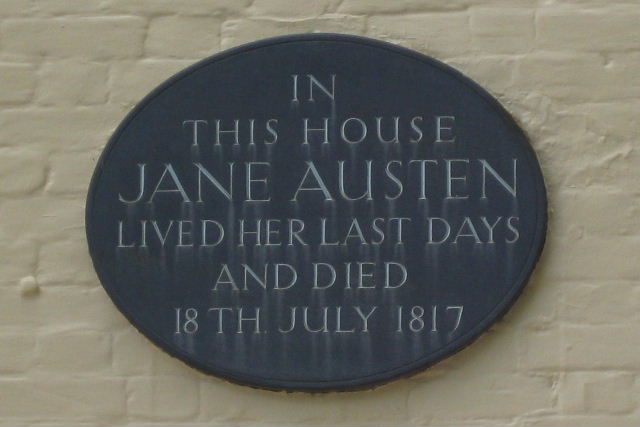
Jane Austen died on July 18, 1817, at the age of 41, following an illness that lasted about a year. The exact cause of her death remains undetermined, with speculation ranging from cancer, Addison’s disease, Hodgkin’s disease, and even arsenic poisoning, based on symptoms listen in various entries in Jane’s own diaries.
She reported various symptoms from 1813, but it is generally understood that the onset of her fatal illness began in the early months of 1816, around her fortieth birthday. To those around her, the frequent vomiting, progressive wasting and regular bouts of high fever and unconsciousness, led her sister Cassandra to take her to a house in College Street, Winchester in February 1817, to be closer to her doctor.
However, her illness was too severe and she died in Winchester 5 months after her arrival there. She is buried in Winchester Cathedral.
Jane Austen’s Bibliography
The listing below is ordered by publication date, and covers Jane Austen’s six completed novels. Note that two were published after her death. It also includes her two unfinished novels, and her “Juvenilia Stories”.
Novels
- Sense and Sensibility (1811)
- Pride and Prejudice (1813)
- Mansfield Park (1814)
- Emma (1815)
- Persuasion (1817) – posthumously
- Northanger Abbey (817) – posthumously
- Sanditon (1817) – unfinished before her death
- The Watsons – an unfinished novel by Jane Austen, started around 1803 and abandoned before completion. The manuscript fragment itself, which is less than 18,000 words, was published posthumously in 1871 within the second edition of James Edward Austen-Leigh’s “Memoir of Jane Austen“
Despite her short life, Jane Austen remains one of the most well-known and admired writers in English literary history, with many of her writings regularly turned into live-action movies and television miniseries. The order of popularity of her novels (based on sales) is as follows: Pride & Prejudice, Sense & Sensibility, Persuasion, Emma, Northanger Abbey, and Mansfield Park.
Juvenilia Stories
These are essentially early Jane Austen writings, or juvenilia, written approximately between 1787 and 1794. Her youthful stories were never intended for publication, they were shared and circulated amongst close family and friends to entertain them. However, they were well maintained and have been published in various collections.
- Lady Susan (unfinished)
Jane wrote her stories in notebooks and labelled them as follows:
- Volume the First
- Jack and Alice
- Henry and Eliza
- Volume the Second
- Love and Friendship
- The History of England
- Volume the Third
- Catharine, or, The Bower
- Evelyn
Annual Jane Austen Festival
Jane Austen’s 250th anniversary year is also the year of the 24th annual Jane Austen Festival. The 2025 Jane Austen Festival will take place from
Friday 12th to Sunday 21st September 2025.
Interesting Trivia
Queen Victoria was a huge fan of Austen’s work and kept a special edition of her novels in her private library.
Limited Manuscript Survival
Only a small portion of Austen’s original manuscripts survive. Her sister Cassandra destroyed many of her personal letters after Jane’s death to protect the family’s privacy.