Edinburgh’s Literary Attractions

Written by Niamh Martin
Designated UNESCO City of Literature in 2004.
Charles Dickens held such affection for Edinburgh as a “city so distinguished in literature and so distinguished in the arts” that he chose the Assembly Rooms in the city to undertake a reading of his “A Tale of a Christmas Carol” in 1843.
Legacy
The literary legacy of Edinburgh extends across centuries and encompasses many world famous authors, poets and publications, as well as the city itself. Edinburgh, as a place, has regularly and variably been incorporated into novels, plays and poems as a virtual character that has influenced the motivations of protagonists.
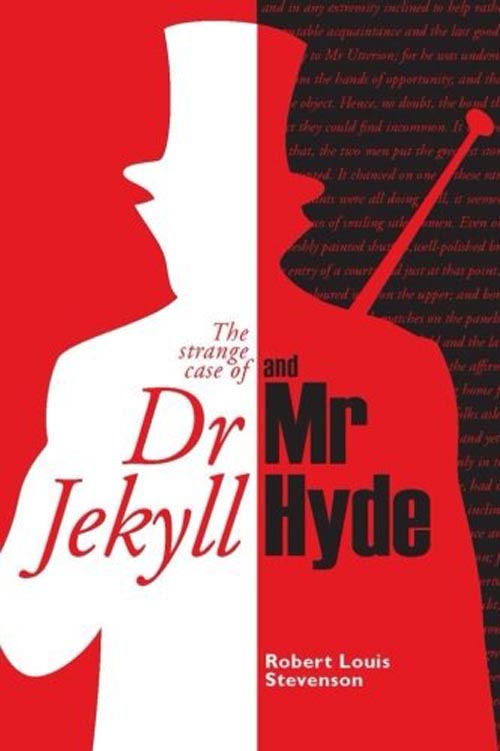
“I owe a great debt to Robert Louis Stevenson and to the city of his birth. In a way they both changed my life. Without Edinburgh’s split nature, Stevenson might never have dreamed up Dr Jekyll and Mr Hyde and without Dr Jekyll and Mr Hyde I might never have come up with my own alter ego, Detective Inspector John Rebus.”
Ian Rankin, Edinburgh author of Rebus Novel Series
The literary reputation and influence of Edinburgh also extends to the present, becoming the first city to be designated a UNESCO City of Literature (2004).
For visitors to the city, Edinburgh is a treasure trove of literary references for those interested in works of historical significance, popular culture and world-famous writers, including J.M. Barrie, Ian Rankin, Walter Scott, Irvine Welsh, Arthur Conan Doyle, Maggie Farrell and Robert Louis Stevenson.
Whatever your reason for visiting Edinburgh, here are seven literary attractions not to be missed!
Table of Contents
Edinburgh’s Libraries
Explore the heart of the city’s history and characters through the wonder of Edinburgh’s libraries. Within the city boundaries there are 28 libraries serving the community, providing lending services, literacy support and educational workshops and events. Other libraries with a more national standing are located within the Old Town, just a short distance from each other.
- Central Library Edinburgh – Opened in 1890 with funding from the Scottish industrialist Andrew Carnegie, this was the first public library building in the city. Over the years it has expanded significantly from its humble origins to now incorporate much of the buildings on George IV Bridge, including the Music and Children’s libraries, which were opened in the main library building in 2014.
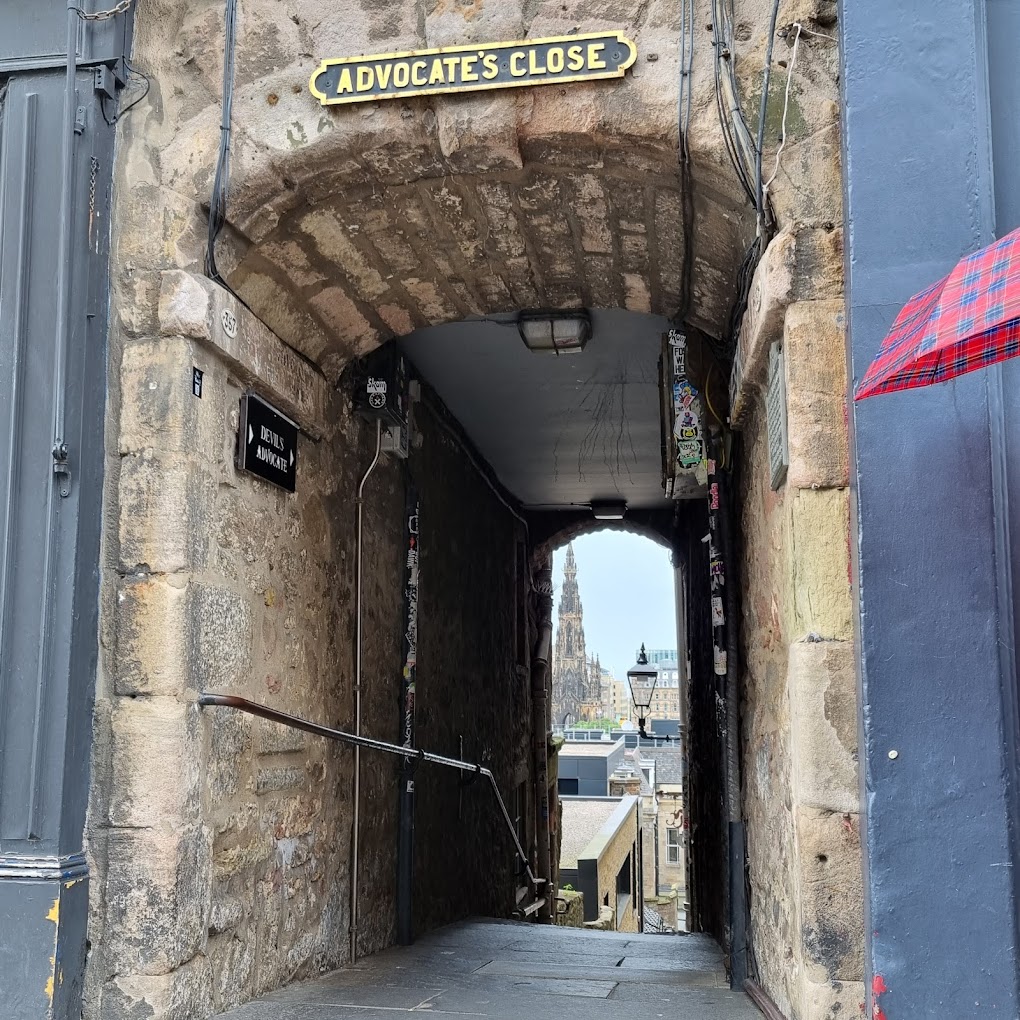
- National Library Scotland – The National Library of Scotland began life as the Advocate’s Library in 1682, founded by Sir George Mackenzie, King’s Advocate who defended witches at trial in the 17th century. This library was also used for their legal studies by writers, RLS and Walter Scott. In 1925, it became the National Library Scotland and relocated to George IV Bridge. The library holds over 7 million works, including a copy of every book published in Scotland. It is a reference library with world-class collections, including a First Folio of Shakespeare’s work. It is also Scotland’s largest library, one of the major research libraries in Europe and is also one of just five copyright libraries in the UK.
- Advocate’s Library – The Advocates Library has retained the privilege of holding printed law materials on behalf of the nation, held in the main collection in the Advocates Library in Parliament House, Edinburgh. The staff of the Advocates Library are also responsible for the important library at Sir Walter Scott’s home, Abbotsford, near Melrose, which belongs to the Faculty of Advocates Abbotsford Collection Trust.
- The Scottish Poetry Library – This is a public library with over 30,000 items of Scottish and international poetry, freely available to the public both virtually and in person, at the library building on Crichton’s Close in Canongate. If you’re passionate about poetry, you’ll find like-minded people here who are committed to bringing the pleasures and benefits of poetry to as wide an audience as possible, through workshops, events and all-round support.
Edinburgh’s Literary Museums
The heart of Edinburgh’s literary history is palpable with a visit to its engaging and entertaining literary museums, predominantly focussed on three of its historically significant and popular writers.
- The Writers Museum – This is a one-stop shop to see first-hand some genuine artefacts and personal objects belonging to three of Scotland’s most celebrated writers, Robert Louis Stevenson (RLS), Walter Scott and Robert Burns. Spanning a period of 150 years between the lifetimes of all three writers, a visit to this museum will allow visitors an insight into the types of items used for writing and printing their work, in addition to seeing items of clothing worn and pieces of furniture used by the three eminent authors. Other entertaining highlights include the actual wardrobe owned by RLS and made by Deacon Brodie (whose duplicitous life is believed to have inspired the characters of Jekyll and Hyde). Entry to this museum is free but due to the historic nature of the building it is housed in, it is not wheelchair or pram accessible.
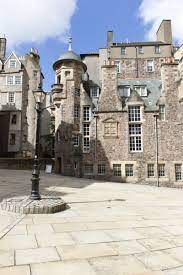
- Makars’ Court – Located next to the Writers Museum at Lady Stair’s Close, Makars’ Close is described as “an evolving national literary monument”. It is presented as a courtyard that incorporates quotations from Scottish literature, inscribed onto paving slabs. The quotations illustrate the various language forms that Scots have used from the distant past to the present, i.e. Latin, English, Scots and Gaelic. Similar inscriptions can be found on the side of the Scottish Parliament building at Holyrood. The term “Makar” is from the Scots language and refers to a “skilled and versatile worker in the craft of writing”. Since 2002, the City of Edinburgh has appointed its own Edinburgh Makar (Poet Laureate) every three years, to act as the city’s literary ambassador.
- Scottish Storytelling Centre – This is a place to celebrate and showcase Scottish storytelling, with regular participatory workshops running to allow budding writers and storytellers to share their work. There are also regular storytelling nights and performances by established storytellers in the in-house theatre. Something for the whole family can be found here.
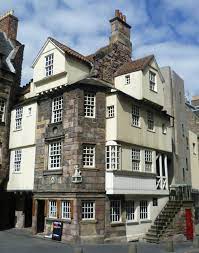
- John Knox House – Although not strictly a literary museum, this building (next door to the Storytelling Centre) has a significant historical link to literature in Scotland. It is believed to have been the home of John Knox (for a few short years before his death), the person considered to be predominantly responsible for shifting the move from Catholicism to Protestantism in Scotland in the 16th century. Following his return from exile in Europe, Knox became minister of St. Giles Cathedral in 1559 and began writing, printing and disseminating fiery sermons and pamphlets which espoused his religious theories and personal beliefs about the role of women in society. These widely distributed pamphlets are believed to have helped sway public opinion against Mary Queen of Scots, eventually driving her from Scotland.
- The Stevenson House – This is the childhood home of RLS and remains a private residence to this day. However, the owners also offer a limited B&B service for visitors, with an opportunity to tour the house and see where one of Scotland’s most famous writers began their journey.
Edinburgh’s Literary Icons
The size and layout of Edinburgh make it a very walkable city, and what better way to keep yourself entertained as you amble around, than spotting some of the numerous literary attractions dotted around the streets. These range from the world’s tallest monument to a writer (Walter Scott), to graveyard connections of real people to one of the world’s best selling book series (Harry Potter), to a statue of a loyal canine friend. The scope of literary attractions around Edinburgh is limited only by your imagination – but here are a few to get you underway:
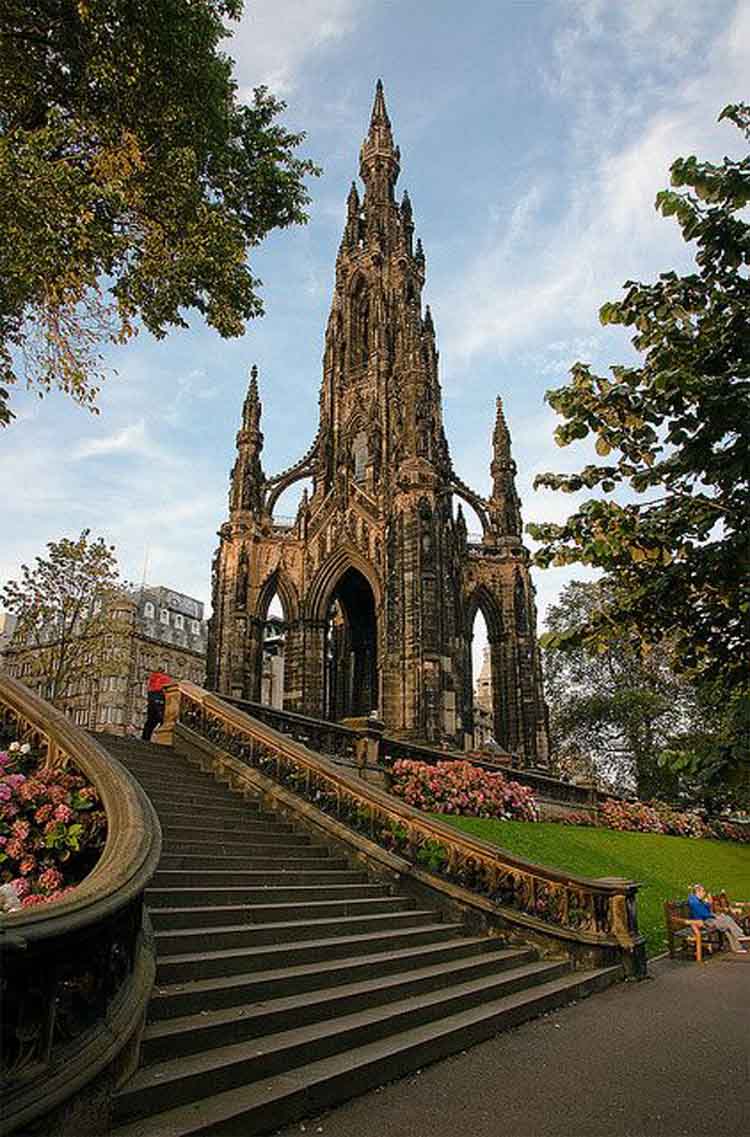
- Walter Scott – You literally cannot move but for connections to Walter Scott in Edinburgh, such was his influence and presence in the city. If you wish to see where he lived, visit; Guthrie Street (where he was born), 25 George Square, 50 George Street and 39 North Castle Street (where he lived). Waverley Station is, of course, named after his seminal novel and stepping away from the station onto Prince’s Street will bring you to the rather large and highly decorative monument dedicated to him. Entry into the monument is possible (adults £8, children £6). Another statue of Scott is situated at Parliament Square on the Royal Mile, reflecting his position as an advocate and Clerk of the Court of Session between 1806-1830.
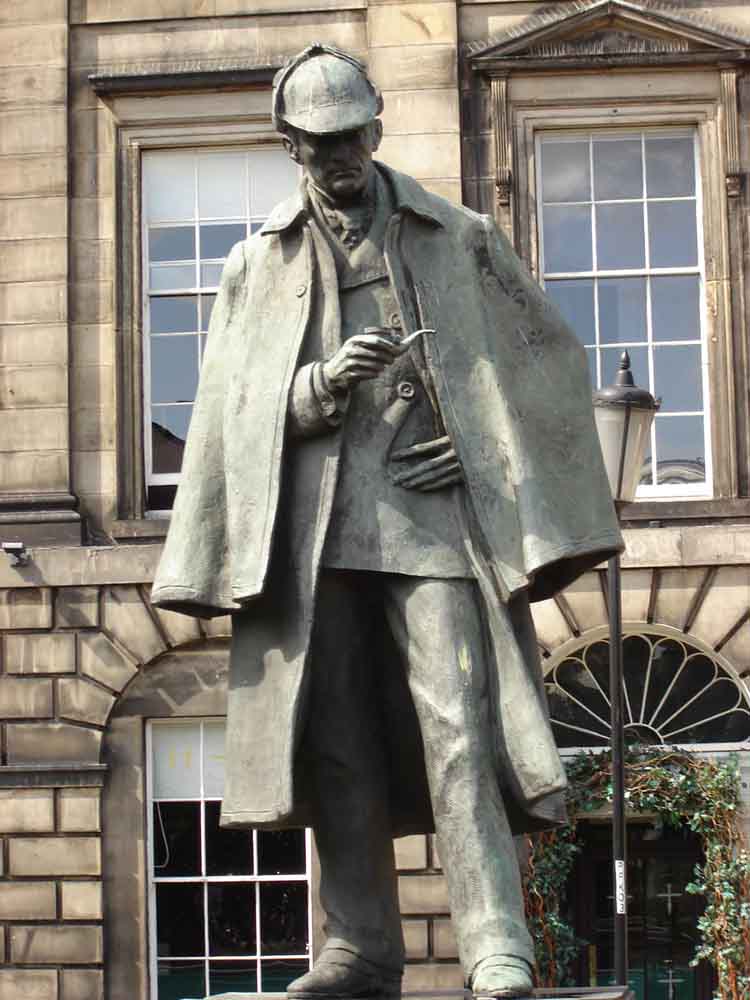
- Arthur Conan Doyle – Picardy Place (No. 11) is where Doyle was born, but is now the site of a rather busy roundabout. A plaque, situated on the surviving side of the street, marks the house. A few metres away, outside St. Mary’s RC Cathedral is a statue of Sherlock Holmes. Addresses of interest are; 3 Sciennes Place, 2 Argyle Park Terrace and 32 George Square (all of which Doyle lived at). Further along from his birthplace is 25 Palmerston Place, where the Arthur Conan Doyle Centre is located. Doyle did not live here, but is associated with it through his firm belief that the dead could be contacted. His dedicated following of Spiritualism has provided a firm association with this centre named after him.
- Robert Louis Stevenson – a detailed literary trail around Edinburgh for RLS can be found here.
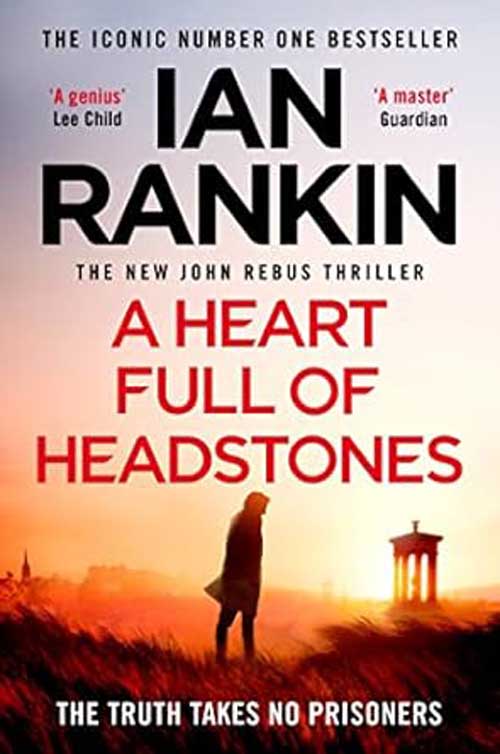
- Ian Rankin – It is reasonably unusual to find many literary attractions relating to a living writer in a city. However, the setting for Rankin’s series of murderous novels in Edinburgh provides ample fodder for Rebus fans. Start (and maybe finish!) with a swift drink at The Oxford Bar on Young Street (Rebus’s and Rankin’s favourite haunt). Arden Street is also where both Rankin and Rebus reside, while the police station at Gayfield Square is where Rebus operates from.
- Kenneth Grahame – author of “The Wind in the Willows” was born at 30 Castle Street.
- Greyfriars and Canongate Cemeteries – These places are worth a visit for both scholars of literature, as well as those with only a passing interest of a popular culture slant. For the literary maestro’s, both cemeteries are the resting places for many significant historical literary figures (such as William Creech, Allan Ramsay, William Smellie) and for the fun-seekers, a visit to Greyfriars will reveal headstones that are understood to have inspired names for two of the main characters in JK Rowling’s Harry Potter books; William McGonagall (Professor McGonagle) and Thomas Riddell (Tom Riddle, i.e. Voldemort). Within Canongate cemetery, a headstone for Ebenezer Scroggie was discovered by Charles Dickens on one of his many visits to Edinburgh. This was, of course, later changed to Ebenezer Scrooge in the widely-appreciated transformational story of “A Christmas Carol“.
- Greyfriars Bobby – Located just outside Greyfriars Cemetery, this is a monument that testifies to the lifelong loyalty of a dog to its owner. Representing the dog of a true life story, told by Eleanor Atkinson and re-told in a Disney movie, Bobby’s statue is regularly patted and photographed by tourists. His collar and feeding bowl are on display in the nearby Museum of Edinburgh.
- Harry Potter – There is a wealth of “Potter” attractions to see across Edinburgh, far too many to list here. A dedicated Harry Potter tour will detail all that is to be seen.
Edinburgh’s Literary Pubs
Similar to the role that pubs have played in Dublin’s literary history, pubs in Edinburgh have, over the course of many years, been at the centre of political and philosophical debate and discussion. Over the centuries, many of these pubs have disappeared – either demolished to make way for “modern” buildings, or taken over for other purposes. There are, however, still a number of literature-related pubs prominent in the city, either because of their association with particular writers, books or literary characters.
Some of the most popular pubs are listed here, but for those interested in conducting some in-depth “research” in this area, a walk on the Edinburgh Literary Pub Tour is highly recommended!
- Milnes Bar – Established in 1910, regular visitors included Dylan Thomas, W.H. Auden, Sorley MacLean and Hugh MacDiarmid.
- Deacon Brodies Tavern – Established in 1806, this pub is named after William Brodie (1741-1788), a cabinet-maker and Deacon of the guild trades of Edinburgh. By day he was a good citizen and businessman but at night he maintained a secret life of gambling and mistresses. His dark side meant that he had to take to burglary to pay his debts. He was eventually caught and hanged in 1788. The contrast between Deacon Brodie’s respectable façade and his real nature was the inspiration for Robert Louis Stevenson’s novel Dr Jekyll and Mr Hyde. RLS commissioned Brodie to make a wardrobe for him, which is now on display at The Writer’s Museum. A statue of Brodie is located near the pub (and his now demolished house).
- The Conan Doyle Pub – Simply a nice pub located very close to Doyle’s birthplace in Picardy Place.
- Frankenstein’s – Housed in a 19th century church, Mary Shelley’s tale gets real! Frankenstein is a unique themed bar on George IV Bridge, in the heart of Edinburgh’s Old Town.
- The Oxford Bar – Renowned to be the favourite haunt of author Ian Rankin and his fictional character, Detective Inspector Rebus.
Edinburgh’s Bookshops
Bookshops and publishing houses have been part of the fabric of Edinburgh life for over 300 years, making literature and information widely available to the general public and contributing significantly to, what became known as the Edinburgh Enlightenment – the modern advancement of Edinburgh and its inhabitants to become world leaders in fields such as medicine, engineering, law and literature.
Some of Edinburgh’s most influential bookshops and publishing houses unfortunately no longer exist. Time and history have taken their toll on these iconic establishments, but such was their significance to Edinburgh’s standing as a literary behemoth, they are included below with an indication of where they once stood.
- Luckenbooths – Situated next to St. Giles Cathedral, the Luckenbooths were a series of timber-framed tenements up to six storeys high, where much of local trade was conducted along the north wall of St. Giles. On the first floor of one of these Luckenbooths was the bookshop belonging to Allan Ramsay (circa 1730), a distinguished poet in the Scots language. He also opened what is believed to be the first public lending library in Britain in 1725 and in 1736 opened the first theatre in Edinburgh (in Carubbers Close). Below Ramsay was another bookseller and publisher, William Creech. Instrumental in furthering literary discourse in Edinburgh and beyond, Creech is credited with printing and selling many of the leading periodicals and newspapers of the time. He also published the Edinburgh edition of Burns’s poetry, immediately providing Burns with access to the masses from which his career was ignited.#
- Anchor Close – Situated off the Royal Mile, the inaugural Encyclopedia Brittanica was written and printed by William Smellie, editor of the Scots Magazine. This magazine was first published in 1739 and is still published today, believed to be the oldest magazine in the world still in publication.
- Typewronger Books – a haven for bookworms seeking something out of the ordinary, it prides itself on its collection of rare and eclectic books, from vintage classics to contemporary gems – there probably is something for every literary taste. For those with an interest in olde worlde literary artefacts, Typewronger Books has a very niche vintage typewriter collection, each with its own unique story to tell.
- Toppings – renowned for its unparalleled selection of books across various genres. Toppings is a multi-level store with an impressive collection spanning everything from contemporary fiction to history, art, travel writing, and more. Visitors can also enjoy author events throughout the year. Keep an eye on their website for details.
- Golden Hare Books – Located just a 10 minute walk from Prince’s Street, this independent bookstore offers an enchanting and cozy atmosphere for book lovers to immerse themselves in a world of literature. Established to support local authors and publishers, the store actively champions independent voices and hosts regular author events, book launches, and literary discussions.
- Edinburgh Bookshop – Simply named, but don’t be fooled. This bookshop has regularly won accolades for being a quality bookshop offering a quality service to its customers. Located in Bruntsfield (approximately 20 minutes walk from the city centre), it specializes in Scottish literature and showcases a wide range of fiction and non-fiction titles from both established and emerging Scottish writers. Knowledgeable and welcoming staff contribute to a personalized experience, providing recommendations tailored to individual tastes.
Edinburgh’s Literary Festivals
There can be no greater claim to being a literary colossus as a city, than to lay claim to hosting the largest book festival in the world! What more is there to say?
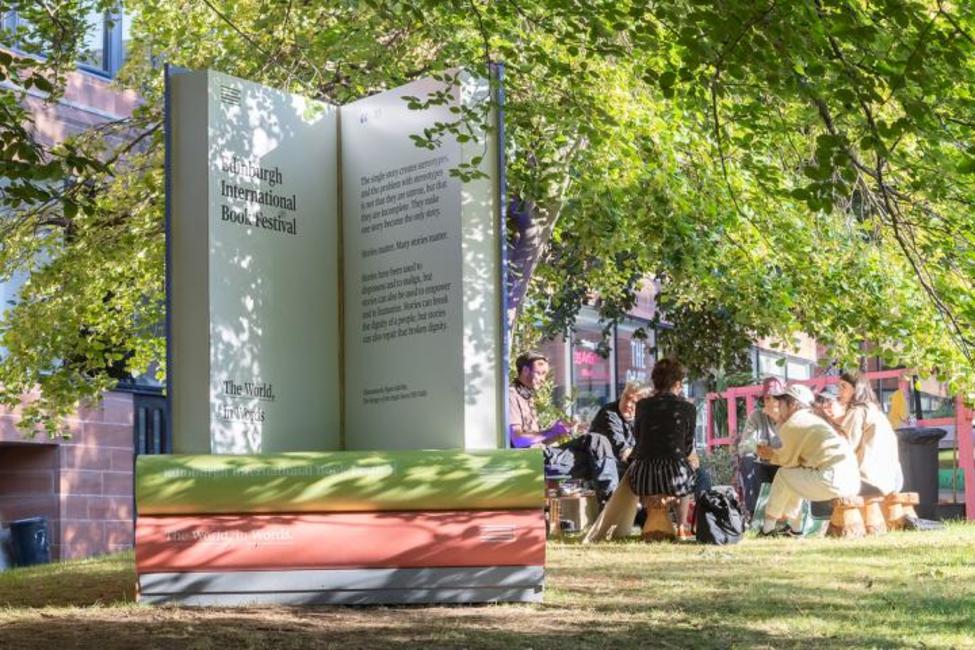
- Edinburgh International Book Festival – Taking place every August, as part of the Edinburgh Festival and Fringe, the Edinburgh International Book Festival has been sharing, informing, educating and entertaining people from all around the world since 1983. Recently moved to a new home at Edinburgh Futures Institute, visitors can immerse themselves in a diverse range of topics such as fiction, non-fiction, poetry, politics or current affairs. About 500 writers take part in the two-week event every year, representing first-time as well as million-book selling authors – all of whom frequently mingle with the audiences and sign copies of their books. The programme for each years festival is usually published around June – keep a keen eye on their website as tickets go FAST!!
- Porty Book Festival – Taking place in October each year, this festival offers an intimate opportunity to hear from a variety of authors, in a beautiful “beside the sea” setting, just a 10 minute bus ride from Edinburgh city centre.
- Scottish International Storytelling Festival – Running since 1989, this festival takes place annually in October. It is a magnificent forum to celebrate oral storytelling traditions from around the world. This festival showcases performances by professional storytellers who weave enchanting tales from different cultures and backgrounds.
Edinburgh’s Theatres
Going to the theatre in Edinburgh is a very affordable activity, compared to other capital cities and is a great way to get under the skin of this literary city. Each offer something slightly different by way of theatrical focus, details of which are provided below:
- Bedlam Theatre – Founded in 1980, this is the oldest student-run theatre in Britain. Home to the Edinburgh University Theatre Company, Bedlam is a fully operational 90-seat repertory theatre housed in an imposing neo-gothic church, close to the Royal Mile. Over the year, Bedlam puts on over 40 shows as well as a series of different workshops and participation in the Edinburgh Fringe Festival every August.
- Traverse Theatre – Founded in 1963, the Traverse commissions and develops works from contemporary playwrights, as well as adaptations, dance, physical theatre, puppetry and contemporary music. A popular feature of the Traverse programme is “A Play, A Pie and A Pint”, which runs at certain times during the year and involves a lunchtime play, served with a pie and a pint in an all-inclusive price.
- King’s Theatre – Originally a variety touring house, King’s Theatre opened its doors in 1906 and is now considered a treasured piece of Edinburgh history. It is a bustling home to popular stage entertainment, staging quality touring drama, kids’ shows and the annual Christmas panto. Currently closed for refurbishment.
- Lyceum Theatre – Opened in 1965, the Lyceum Theatre aims to “bring the best theatre from around the world to Edinburgh and share the best of Scottish theatre with the world”. Situated 10 minute walk from Prince’s Street.
- Festival Theatre – The present theatre’s location is Edinburgh’s longest continuous theatre site, with the first theatre (Dunedin Hall) opening here in 1830. The Edinburgh Festival Theatre now seats 1, 915 and is known as a performing arts venue, primarily for performances of opera and ballet, large-scale musical events, and touring groups.
6 Books Set In Edinburgh
The Prime of Miss Jean Brodie – Muriel Spark
44 Scotland Street – Alexander McCall Smith
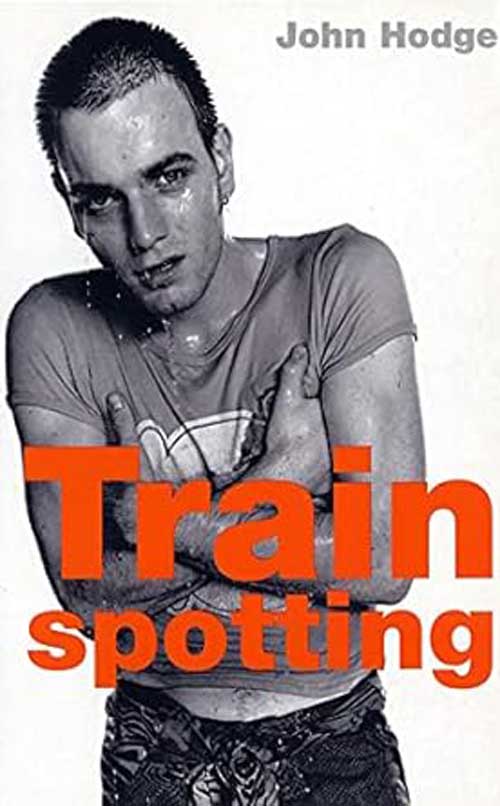
Trainspotting – Irvine Welsh
The 39 Steps – John Buchan
The Wasp Factory – Iain Banks
Knots and Crosses – Ian Rankin
Fun Facts
Robert Burns once met fifteen year old Walter Scott in Sciennes House, home of the philosopher Adam Ferguson. It is commemorated by a plaque in Sciennes Road.
Three of Britain’s best known authors; Robert Louis Stevenson, J.M. Barrie and Arthur Conan Doyle attended the University of Edinburgh within the space of a few years and were known to have been friends and influenced each others work.